Courses & Classes
Universal Education for Wisdom and Compassion
Dr. Lindsley is an educator with decades of experience running retreats, courses, contemplative events, and lectures. He is known for his fun, clear and accessible style, bringing his depth of knowledge to contemplative science, philosophy, and practice. He has taught at Buddhist centers, universities, and community events in the US.
Inspired by Lama Thubten Yeshe's vision of Universal Education, I take a holistic approach to learning that develops the whole human being, not just the intellect. My work seeks a middle way between knowledge and inner development, helping people understand both the outer world and the nature of their own minds. I aim to express timeless insights about ethics, emotional well-being, self-understanding, and human potential in a language that is practical, inclusive, and accessible to all.
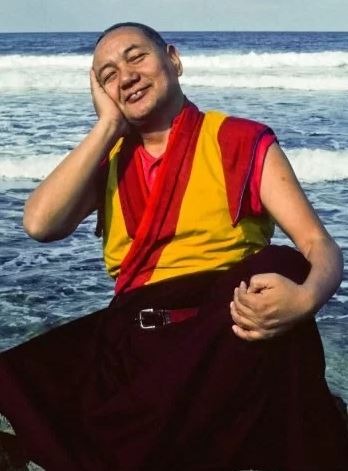

"There must be a middle way, whereby people are educated both spiritually and scientifically." - Lama Thubten Yeshe
Courses & Workshops
Introduction to Scientific Psychology
A two-part course that Introduces science and application of psychology. Emphasizes psychological concepts, theories, and principles related to: Research Methods, Behavioral Neuroscience, Consciousness, Sensation/Perception, Learning, Memory, Thinking and Intelligence, Personality, Social Psychology, Health and Well-Being, Motivation and Emotion, Disorders, Therapies, Lifespan Development, and related topics.
Consciousness: Modern and Ancient Approaches to Life's Greatest Mystery
What exactly is awareness and what does it do? Contemplative traditions have explored this question through inner observation and philosophical debate. Today, neuroscience and psychology are exploring it too, with experiments and brain imaging. In this course we bring the spiritual and scientific lenses together to try and disentangle one of history’s most difficult questions: you’ll learn accessible scientific ideas about consciousness, explore Buddhist perspectives on the nature of mind, and practice guided meditations designed to help you investigate your own mind in real time.


The Psychology of Meditation
Explores the psychological processes of meditation, and requires regular meditation sessions by students. Ideas from traditional Eastern philosophy and empirical psychological research are discussed. The course will focus on outcomes and effective methods of meditation practice. Explores similarities and differences between scientific and traditional approaches to meditation practice, outcomes, and underlying theories.
Cultivating Emotional Balance
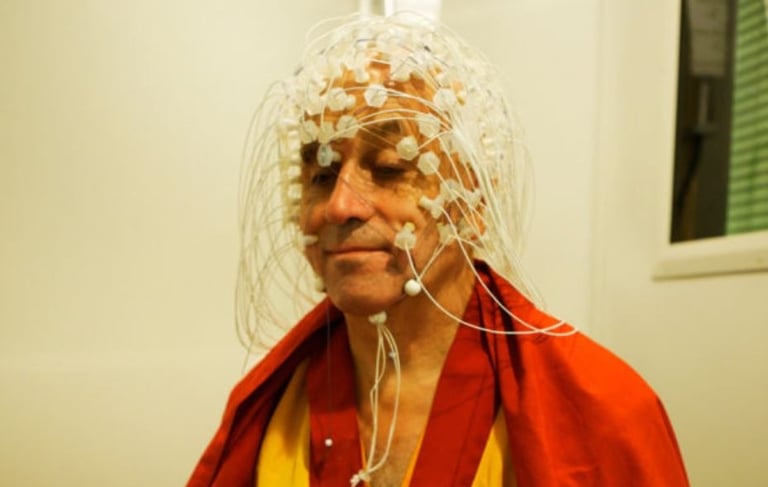
Designed by Dr. Paul Ekman and Dr. B Alan Wallace at the request of the Dalai Lama. Cultivating Emotional Balance is science-based training aimed at teaching people to utilize the experience of emotion as a path for developing happiness for ourselves better relationships with others. By integrating the wisdom traditions of modern psychology, current emotion research, and contemplative practices, this course provides a secular platform for developing a healthier approach to one's emotional life.

Buddhist Psychology
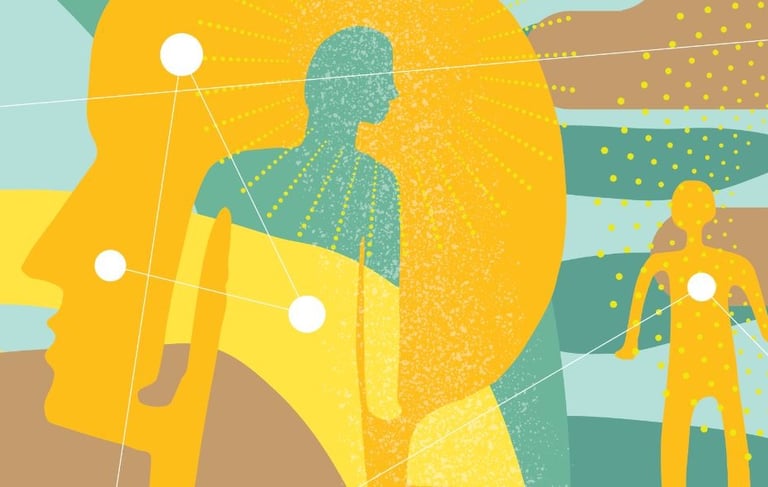
A two-part course that Introduces science and application of psychology. Emphasizes psychological concepts, theories, and principles related to: Research Methods, Behavioral Neuroscience, Consciousness, Sensation/Perception, Learning, Memory, Thinking and Intelligence, Personality, Social Psychology, Health and Well-Being, Motivation and Emotion, Disorders, Therapies, Lifespan Development, and related topics.
Quantitative Methods in Scientific Psychology
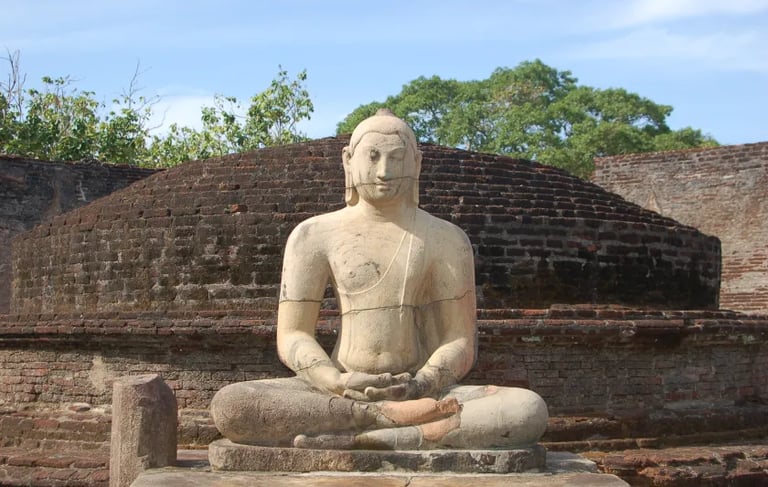
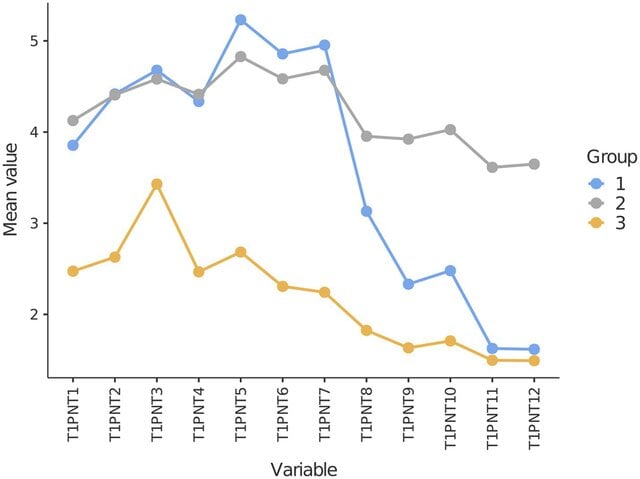
Explores the principles of research design in the field of psychology. Emphasizes ability to identify research questions, formulate hypotheses to test those questions, and design a research study to test hypotheses, use quantitative methods in psychological science, including descriptive statistics, hypothesis testing, correlation, one-way or two-way ANOVA, and regression. Discusses controversies and emerging practices in open psychological science. Examines methods of data reporting and visualization.
The Wisdom of Sensuality
This course explores the potential of meditation using your ordinary sensations to cultivate curiosity, relaxation, and wonder. Bringing together classical Buddhist meditation instructions with insights from modern psychological science, we will practice, learn, and discuss methods for deepening our ability to touch and savor the rich flavors of our experience and understand their important place in the wisdom teachings of the Buddhist tradition. The course consists of guided meditations, short lectures, and discussions. The class focuses on skill building to help deepen meditative stillness and clarity using everyday situations.


Train Your Mind Open Your Heart
Meditation practice should be applied to developing wellbeing and greater social harmony. This course introduces the most important features of altruistic meditation practices aimed at compassion alongside foundational skills in developing stability and relaxation in mindfulness. Based on traditional Tibetan Buddhist methods in conversation with modern psychological approaches, this class should lay the foundation for a lifelong practice of meditation using some of the most important methods Buddhism has to offer.